
The Power of Strength Training - A key ingredient to manage knee osteoarthritis

Osteoarthritis, a condition characterised by joint pain and stiffness, affects millions of people worldwide, often hindering their ability to perform daily activities. While there is no cure for osteoarthritis, there are strategies to manage its symptoms and improve quality of life. One such strategy, often overlooked, is strength training. In this article, we will explore the importance of strength training for managing osteoarthritis and how it can be a game-changer in regaining control over your life.

Before delving into the role of strength training, let's gain a better understanding of osteoarthritis. Osteoarthritis occurs when the protective cartilage that cushions the ends of your bones wears down over time. This degenerative condition commonly affects the knees and can lead to pain, inflammation, reduced joint mobility, and an overall decrease in healthy habits such as regular exercise.

Strength training, also known as resistance training or weightlifting, is often associated with building muscle and enhancing physical power. However, its benefits extend far beyond aesthetics. When it comes to managing osteoarthritis, strength training can be a game-changer, leading to:

  •        Increased Joint Stability - Strengthening the muscles surrounding affected joints helps provide better support and stability, reducing the strain on the joints themselves. As a result, individuals with osteoarthritis may experience improved joint function and reduced pain during daily activities.
  •        Enhanced Joint Flexibility - Contrary to popular belief, strength training can increase joint flexibility. By incorporating exercises that target the full range of motion, such as squats or leg presses, you can help maintain or improve joint flexibility, thereby mitigating the stiffness associated with osteoarthritis.
  •        Protection against Joint Degeneration - Strong muscles act as a protective shield for your joints. By engaging in regular strength training, you can reduce the risk of joint degeneration and potentially slow down the progression of osteoarthritis.
  •        Weight Management - Maintaining a healthy weight is crucial for managing osteoarthritis. Strength training not only helps build muscle but also boosts metabolism, leading to increased calorie burning even at rest. By incorporating strength training into your routine, you can manage your weight more effectively, which in turn alleviates pressure on your joints.

If you're convinced of the benefits of strength training for managing osteoarthritis, here are some practical tips to help you get started:

  •        Start Slowly and Progress Gradually - If you're new to strength training, begin with light weights or resistance bands. Focus on mastering proper form and technique before gradually increasing the intensity. This approach minimises the risk of injury and allows your body to adapt to the new demands.
  •        Choose Joint-Friendly Exercises - Opt for exercises that put less stress on the joints. Low-impact activities like swimming, cycling, or using an elliptical machine are excellent choices. Additionally, resistance training exercises that target major muscle groups, like leg presses, leg extension or sit to stand can be beneficial.
  •        Listen to Your Body - Pay attention to your body's signals. If you experience pain or excessive discomfort (4/10 joint pain) during or after an exercise, modify the movement or reduce the weight. Remember, it's important to challenge yourself, but not at the expense of exacerbating joint pain.
  •        Discuss your situation with one of Jointli’s experts - Our Longevity experts can assess your condition, provide tailored recommendations, and ensure your movement technique is correct.


In summary, when it comes to managing osteoarthritis, strength training holds immense potential. By incorporating regular strength training exercises into your routine, you can improve joint stability, enhance flexibility, protect against joint degeneration, and manage your weight effectively. However, it's crucial to work with healthcare professionals, start slowly, and choose exercises that suit your condition. Remember, the path to a healthier and more active life begins with taking that first step towards strength training, allowing you to regain control over your osteoarthritis and embrace a better quality of life.
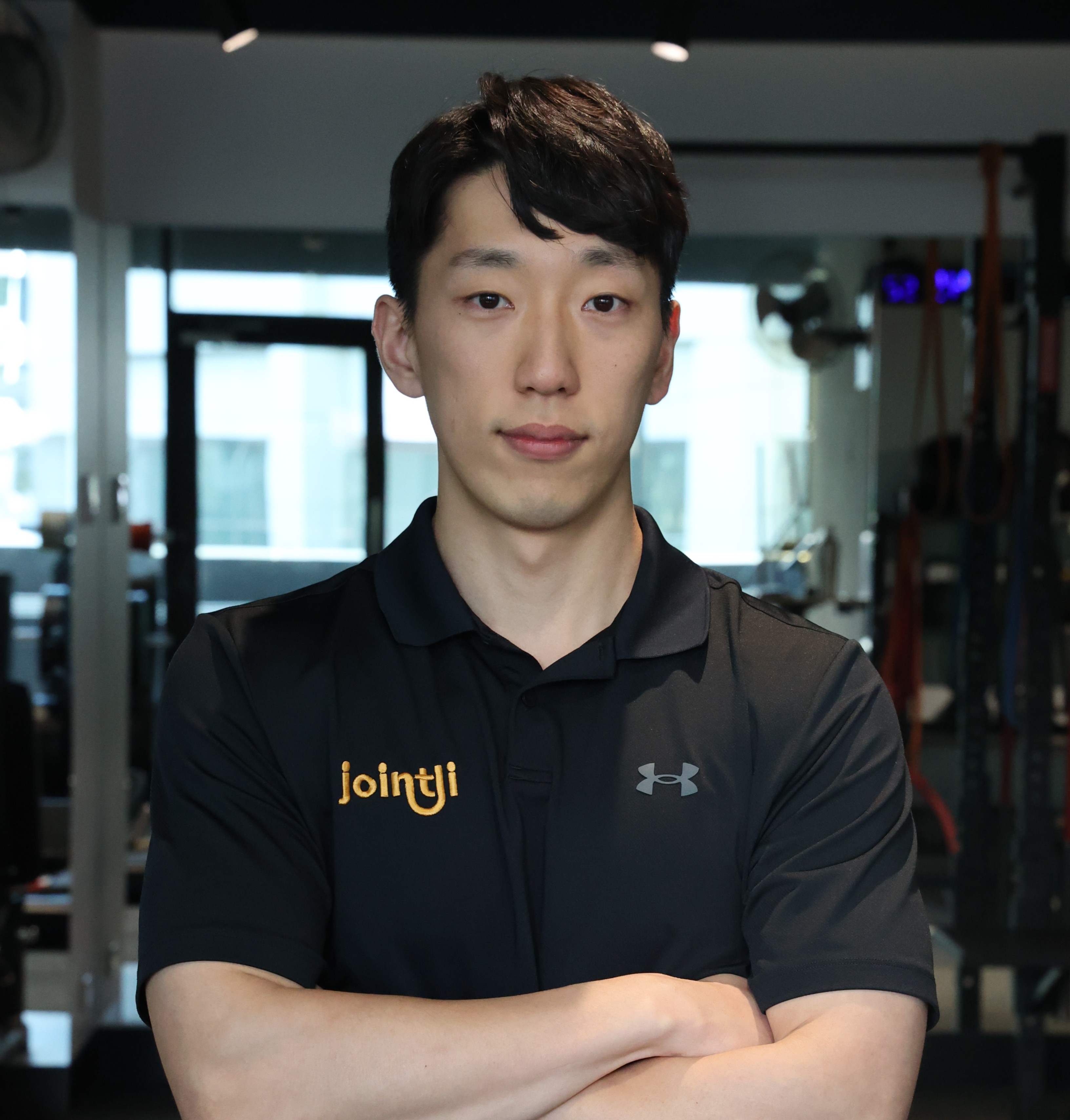

Sean
WRITTEN BY:

Sean Roh

NEW PROGRAM!

Clinical Pilates

We are thrilled to announce the launch of our Clinical Pilates program, designed to bridge the gap between rehabilitation and general fitness. Unlike standard Pilates classes, this program is led by qualified physiotherapists who tailor each exercise to your specific injury history and movement goals. Join us to experience a targeted path to better health and physical well-being.
FIND OUT MORE FIND OUT MORE